
How can we improve the sexual intimacy that we experience with our partner?

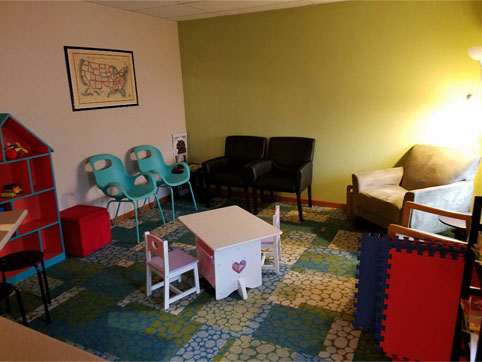
We are busy at the clinic expanding again- we got the suite next door and we will more than double the size of the waiting room, and there will be a place are in the waiting room with toys for kids to play. Also we are adding two more therapy offices-

Question and Answer: How can we improve the sexual intimacy that we experience with our partner? Can we develop a stronger emotional and physical connection?

by Layne Sampson MS LPC NCC

Intimacy is a necessity in any relationship, and can be both rewarding and difficult at times. The definition of intimacy may differ from person to person, woman to man. Does intimacy mean emotions and feelings? Or physical closeness? Or both?

Some individuals may question whether or not their partner is satisfied sexually, or if they themselves are enjoying being intimate with their partner. Some may want increased emotional rather than physical intimacy, or vice versa. Some couples may have ongoing concerns about their sex lives, experience jealousy, low self-esteem, fertility concerns, have experienced an event such as an affair, or may have different interests in the bedroom than their partner has. All of these concerns are important, and could lead to increased distress and relationship difficulties. Sometimes these difficulties may manifest themselves outside of the bedroom, and affect the partnership in a more intense way.

A few simple tips for improved sexual and emotional intimacy:

  • Communicate with your partner 2-3 things that you enjoy about being intimate with them, and 1 thing you would like them to do more of.
  • Spice up your surroundings (think room setting, music, temperature, aromas).
  • Look into each other’s eyes for at least 2 minutes—no laughing or looking away!
  • Tell your partner something that you would enjoy in the bedroom if your sexual desires were to be catered to.
  • Remove one of your senses (think sight, sound, touch).
  • Reminisce about your first date, your first sexual experience together, or your favorite experience together.
  • Each partner plan a date night—their choice! (then switch!)

The hope is that there are more rewarding and positive intimate experiences (physical and emotional), gained through increased communication, bonding experiences, and true intimacy and connection on various levels.

“True intimacy is a human constant. People of all types find it equally hard to achieve, equally precious to hold…” ~Robert Grudin

Blog Excerpt: Mindful Living: Being a Team

If you are in a relationship (and you are stubborn) it’s best to try and and see the other’s point of view, and not be overly committed to how you see things. If you are willing to see that you are TEAM and you want a win win situation, the relationship becomes much easier and you become closer! www.devonamarshall@blogspot.com

Recommended Reading for couples:

  • Anything by John Gottman
  • The Five Languages of Love
  • Getting the Love you Want
  • Take the Myers-Briggs Personality Profile
  • Please Understand Me II
  • From the Director:

    We are busy at the clinic expanding again- we got the suite next door and we will more than double the size of the waiting room, and there will be a place are in the waiting room with toys for kids to play. Also we are adding two more therapy offices- we have been busy- thank you for all who are clients or who refer to us!

    This newsletter is about couples issues. Intimacy can be hard to achieve- we need to allow ourselves to be vulnerable with another and to not let our wounds interfere too much. It is worth it to take risks to be close to another. I will be married for 19 years this month, and I encourage all couples to have a “state of the union” talk about the relationship at least every anniversary. Ask each other: What is working? Where are we at emotionally, physically? How much do we trust each other? What things would you like to improve? Checking in with each other often (at the minimum on your anniversary) will help you to fix things before they get too large, and allows you to celebrate the good things!

    At my home our new puppy is finally calming down a bit and is almost housetrained- it’s been quite a few years since I had a puppy to train, and it’s pretty exhausting. Fun, but tiring. She loves to sit on our laps, but I don’t know what will happen when she gets full sized!

    Enjoy your holidays! Devona Marshall- Clinic Director/Psychotherapist
     

I am having trouble communicating with my partner.

The heat is on! Plants are growing- I got my first cucumber off my plant this past week, and the grape tomatoes are on the plants, but not ready for picking yet. On my bike ride, I see a lot of wild raspberries ready for picking, and I hope to make it to the strawberry patch


Question of the month: I am having trouble communicating with my partner.

When I discuss this with my friends, they say all marriages are difficult and I shouldn’t worry. What are some warning signs that my spouse and I might be headed for trouble?
Dr. John Gottman of University of Washington , one of the foremost marriage researchers, claims he can predict with 90% accuracy if a couple will divorce. In his storied “love lab,” Gottman studies how couples communicate in heated moments. After 30 years of research, he has pinpointed four problematic behavior patterns. He refers to them as “The Four Horsemen of the Apocalypse.”

Horseman #1: Criticism
Criticism focuses on the person rather than on a behavior. “You are so lazy. You did not do anything with the kids today.”

Horseman #2: Contempt
Contempt includes but is not limited to name-calling, hostility and sarcasm.

Horseman #3: Defensiveness
Criticism + Contempt = Defensiveness. Defensive statements become regular patterns in relationships where contempt and criticism flow frequently. Defensiveness builds walls and blocks healing and forgiveness.

Horseman #4:
Stonewalling
Stonewallers withdraw and essentially give up emotionally.

Start to look for these patterns in your communication with your partner. Although it may seem overwhelming, some simple techniques can make big changes. Consider reading some of Gottman’s work or attending a couple’s session to learn some new skills.

Lori Landy MSW LCSW SAC sees adults and couples and can be reached at lori@kettlemorainecounseling.com or 262.334.4340

Research Highlights:

Is exercise the best drug for depression? June 19, 2010 , TIME Magazine

Despite limited data, the trials all seem to point in the same direction: Exercise boosts mood. It not only relieves depressive symptoms, but appears to prevent them from recurring.

Quitting smoking may ease stress levels June 16, 2010 , Reuters

Smokers often say they need a cigarette to calm their nerves, but a new study suggests that after a person kicks the habit, chronic stress levels may go down.

Brain scans show how meditation calms pain June 13, 2010 , USA TODAY

People who routinely practice meditation may be better able to deal with pain because their brains are less focused on anticipating pain, a new study suggests.

Blog Excerpt: www.devonamarshall@blogspot.com from Honoring Endings

We need to honor our endings and our new beginnings. It’s not only healing for us but also can help with grieving and anxiety. If we don’t properly acknowledge a loss that energy or emotion can get “stuck” and can prevent us from moving on or fully engaging in our new life. Processing a new beginning and what it all means and how life will change is very helpful (for all of us that have had babies- you know what I mean!) Showers, weddings, funerals and all the planning that goes with them can be great ways of recognizing and honoring the changes in our lives, especially if we do them in a very thoughtful, introspective way.

From the Director

The heat is on! Plants are growing- I got my first cucumber off my plant this past week, and the grape tomatoes are on the plants, but not ready for picking yet. On my bike ride, I see a lot of wild raspberries ready for picking, and I hope to make it to the strawberry patch soon- yummy strawberry shortcake. I hope you enjoy your summer- moonlit strolls, grill outs, and fireflies!
Devona

Don’t over schedule your children this summer- down time is essential for imagination and play!

Reducing Defensiveness

One of the best communication skills for couples that I have come across is a way to reduce defensiveness in our relationship. This is difficult to do, but greatly increases the closeness and understanding with your significant

One of the best communication skills for couples that I have come across is a way to reduce defensiveness in our relationship. This is difficult to do, but greatly increases the closeness and understanding with your significant other. When communicating about heated topics, searching for and acknowledging areas of agreement can be very powerful in helping both parties feel understood and to reduce the chances of stalemate. For example, if you are disagreeing over discipline for your teen, acknowledging that you both love the child and are trying to do what is best can greatly reduce the defensiveness and eventually lead to solutions you both feel comfortable with.

So often in our arguments with our significant other, we don’t necessarily want to “win”, we want to feel understood, and when we feel understood, we are much more willing to look for areas of compromise. When both parties do not feel understood or listened too, it’s almost always going to continue to be a “perpetual argument”. Perpetual arguments wear down a relationship over time. Most relationships have some perpetual arguments, but it’s how we handle those arguments that are the most important. Remember the health of the relationship needs to be more important than being “right”, because being “right” will eventually lead us to loneliness, whether we are still in the relationship or not. Looking for areas of agreement will lead to a closer stronger relationship!