
Listening to your body

I am one of these people whose emotions manifest somewhere in their bodies, almost instantaneously! Particularly anxiety or worry will be felt in my stomach usually as a swirling emotion and sadness/grief in my chest or head area.

I am one of these people whose emotions manifest somewhere in their bodies, almost instantaneously! Particularly anxiety or worry will be felt in my stomach usually as a swirling emotion and sadness/grief in my chest or head area. The other part of my body that carries my emotions is my lower back- not all of my back pain is emotionally connected, but when I am feeling down or having relationship issues, my lower back will often hurt.

I have learned to use this as a guidance system to what is going on inside of me and to bring things into awareness that I was out of touch about and then take care of the emotions in some way. For me taking care of worry or anxiety is doing soothing self talk and exercise. I am amazed that even a 5 minute walk with almost always reduce any anxiety I feel. When I am sad or feeling down, what helps me is to journal and to connect with others, and then I usually feel the physical sensations subside.

With the individuals I have seen in therapy, I have had a front row seat in seeing how our emotions manifest in our bodies from fainting, vomiting, heart palpitations, tingly sensations, headaches, movement problems to high blood pressure influenced by stress.

I do believe in a balanced approach to physical pain/problems that may have an emotional component. First and foremost, any medical causes have to be ruled out/ruled in! Then we can look at the mind/body connection and how our emotions may be influencing the physical.
A quick way to see if your bodily sensations are emotionally connected is to:

  • Scan your body in your mind. This can be quick, but notice what sensations are at each part, if any.
  • Describe the sensation, what does it feel like.
  • Ask yourself if this sensation is connected to anything in your life.
  • If an emotion/situation does get identified in this process, take some steps to listen to it and address it (talking, exercising, journaling, positive self talk, etc).
Why am I always Stressed Out and Irritable?

Deb Graf sees children, adolescents, adults and couples and she comes with many years of experience as a teacher. One of Deb’s specialties is working with children who have experienced trauma or have attachment issues.


Question and Answer.
I feel so stressed out and irritable all the time! What are some ways I can get a handle of this?

First off, good job recognizing that something needs to change! There are many reasons why we feel a lot of stress and many ways to make changes in our stress level. First off, try and identify which areas of your life cause the most stress (work, family, finances, physical health, etc) and then deal with each area individually. For example, if getting the kids off to school is a very difficult part of your day, there are organizational things you can do to make it easier, the same with supper time, or with taking better care of yourself. Getting more organized will help enormously on your stress level.

Next, there are some general stress reduction tips that work for many of us. How we label an event or situation greatly contributes to how we feel about it- so putting things in a more positive light helps us to feel better about it (reframing). Get support- our relationships are important, and nourishing those relationships is a huge stress reducer (as long as the relationships are conflict ridden). Physical activity is important for reducing stress so make time to take a walk, ride a bike, or do yoga. Particularly doing an activity in nature is even more healing. Touching is a big stress reducer for me- hugging or holding hands with my husband almost always brings my stress down a few notches. Reduce your internet and TV time- these can be huge time wasters. Don’t cut them out because a certain level is fun and stress reducing, but watching/surfing too much causes our stress to rise. And finally, don’t beat yourself up! Be gentle and encouraging with yourself and you will find that will translate to other relationships also.

Excerpt from blog Mindful Living: Self Esteem

What is self esteem? It seems like a not so well defined word that we use a lot in daily life. I see many people who think they do not have high self esteem, and it always takes some digging to find out what that means to them.

How I define self esteem is this sturdiness inside, and a love for ourselves on a deep level, even with our imperfections. It’s the sense that we know we are OK. The most beautiful part of knowing that we are OK, is that others are OK then too- and that is very powerful for relationships and healing. www.devonamarshall@blogspot.com

Kettle Moraine Counseling has openings for clients! And we can usually get people in that day or the following day. We take most insurance, and also, work out payment arrangements when needed.

Research:

Chronic Stress Linked to Obesity; September 5, 2010, PsychCentral : Everyday stress can cause metabolic changes that, in the long run, contribute to obesity.

We are happy to announce 2 new therapists joining us!

Deb Graf sees children, adolescents, adults and couples and she comes with many years of experience as a teacher. One of Deb’s specialties is working with children who have experienced trauma or have attachment issues.

Layne Sampson is another new therapist who is energetic, accepting of others and very skilled. She sees adolescents, adults and couples and one of her specialties is intimacy/couples issues. Layne is also working on becoming a yoga instructor!

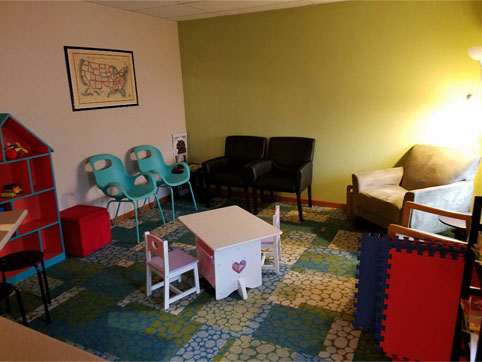
Kettle Moraine Counseling now has a play therapy room (pictures coming soon)! It’s a wonderful, safe place for children to explore, heal and express themselves.