
BLOGS
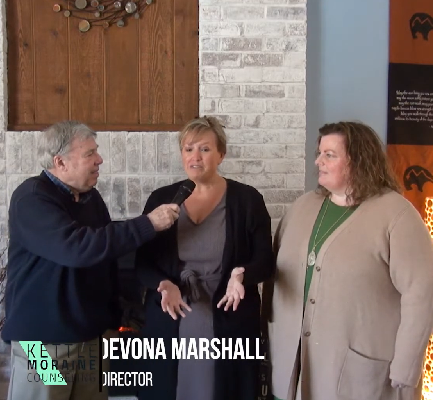
West Bend Area Chamber of Commerce ribbon-cutting
West Bend Area Chamber of Commerce ribbon cutting for Kettle Moraine Counseling held on Monday, March 2, 2020.
A therapist looks back
On March 1st, it will be Kettle Moraine Counseling’s 10 year anniversary, and I can’t hardly believe it.
It began as a small practice of me and 2 other part time therapists, and has grown to 30 staff members and 3 locations, with a 4th location currently being explored.
Listening to your body
I am one of these people whose emotions manifest somewhere in their bodies, almost instantaneously! Particularly anxiety or worry will be felt in my stomach usually as a swirling emotion and sadness/grief in my chest or head area.
What is Art Therapy
Perhaps Wisconsin native artist Georgia O’Keeffe (1887-1986) said it best while describing her own creative process, “I found that I could say things with color and shapes that I couldn’t say any other way – things I had no words for.”
Passive Aggressive
So many of us are not comfortable with expressing our anger or sharing what our needs are so we resort to passive aggressive behavior in an attempt to communicate what we are feeling or what we want.